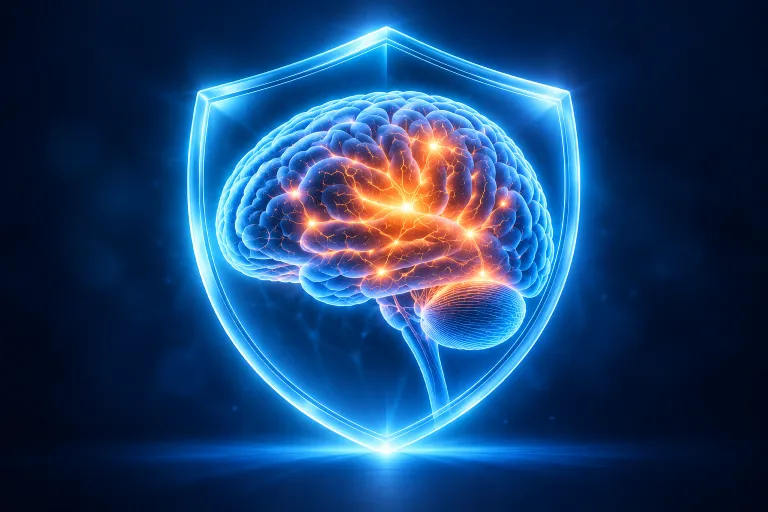
LPC70 brain protection is the focus of new research into a soy-derived compound. Scientists studied whether LPC70 could reduce the harmful effects of excessive salt intake. In experiments involving mice, the compound showed promising effects on blood pressure and cognitive function.
How LPC70 may protect the brain
Researchers investigated LPC70 because of its potential effects on biological processes linked to high salt intake. Their experiments examined changes in signalling molecules called prostaglandins. These molecules play important roles in several bodily functions.
The researchers also studied the prefrontal cortex. This brain region helps control memory, decision-making and other cognitive functions. Their findings suggest that LPC70 may influence pathways associated with the effects of a high-salt diet.
What the experiments revealed
Mice that consumed a high-salt diet showed increased systolic blood pressure. They also experienced difficulties with certain memory and social behaviour tests.
LPC70 helped reduce several of these changes in the experiments. The results suggest that LPC70 brain protection deserves further investigation. However, scientists still need to establish whether similar effects occur in humans.
Why excessive salt matters
Too much salt can raise blood pressure and increase cardiovascular risks. Researchers are also studying how high-salt diets may affect brain function.
Inflammation and changes in biological signalling could help explain these effects. Understanding these mechanisms may help scientists identify new research directions. It does not mean that a particular food compound can prevent cognitive decline.
Can LPC70 help protect human brain health?
The current findings come from animal research. Scientists cannot assume that the same benefits will occur in people.
Further studies must assess the compound’s safety, suitable dosage and effectiveness in humans. Researchers must also determine whether it could have practical medical applications.
For now, LPC70 brain protection remains a research topic rather than a proven treatment. People should continue to follow established advice on limiting excessive salt intake. They should not use experimental compounds as substitutes for medical care.