Saudi missile interceptions have heightened concerns about a wider regional conflict as fighting between Saudi Arabia and Yemen’s Houthi movement intensifies. On October 25, Saudi-led coalition forces reported intercepting drones and missiles targeting Riyadh and southern parts of the kingdom. The escalation has also unsettled financial markets and raised concerns about regional security.
Saudi Arabia intercepts drones and missiles
Saudi Arabia issued emergency alerts for Riyadh, Abha and Khamis Mushait on Sunday. Authorities later announced that the immediate danger had passed.
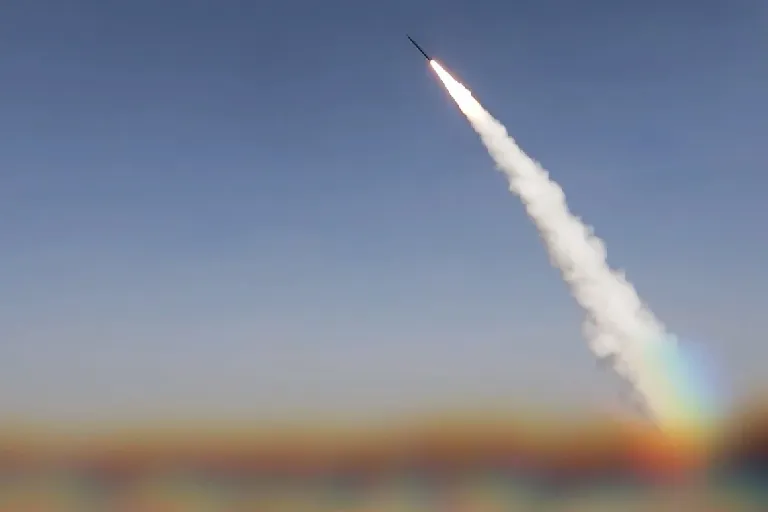
According to the Saudi-led coalition, two drones and a ballistic missile were launched towards Riyadh. A cruise missile also targeted Khamis Mushait. The coalition subsequently reported intercepting ten ballistic missiles fired towards southern Saudi Arabia.
Meanwhile, the Houthis claimed attacks on Riyadh’s King Khalid International Airport and Saudi oil facilities on Saturday. These claims have added to concerns about further attacks on critical infrastructure.
Yemen conflict raises regional security concerns
The latest Saudi missile interceptions come amid an intensifying conflict involving the Houthis, who are aligned with Iran. Saudi Arabia has increased its strikes against the group as fighting threatens to spread beyond Yemen.
The renewed clashes have also disrupted a United Nations-brokered truce that had largely held since 2022. Saudi Arabia intervened in Yemen’s civil war in 2015 to support the internationally recognised government after the Houthis seized the capital, Sanaa.
Furthermore, the escalation risks drawing additional regional powers into the conflict. Any expansion of the fighting could create further uncertainty across the Middle East.
Red Sea shipping route faces renewed risks
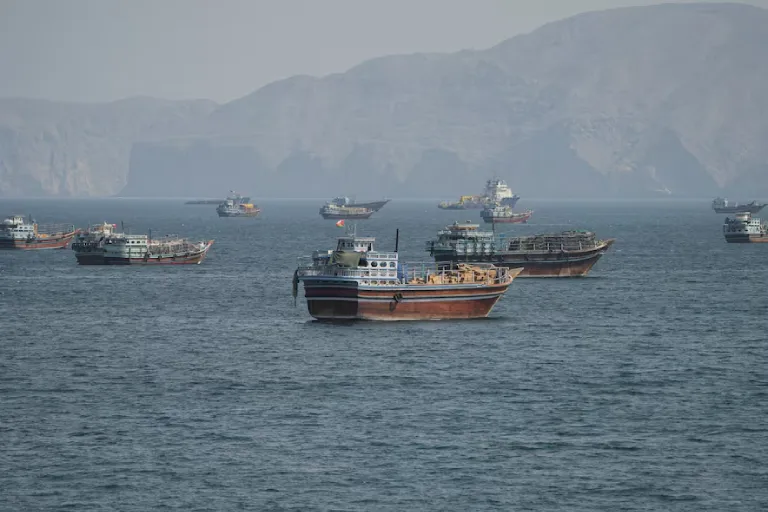
The conflict has raised concerns about the Bab el-Mandeb Strait, a strategic maritime chokepoint connecting the Red Sea with the Gulf of Aden.
The route is important for international trade and shipping between Europe and Asia. It is also significant for energy shipments moving through the Red Sea.
As a result, further disruption could force shipping companies to reconsider routes, increase transit times and face higher costs. However, the extent of any impact will depend on how the conflict develops and whether commercial vessels face additional threats