AI data centres are becoming one of the biggest drivers of global electricity demand. As artificial intelligence expands, technology companies are building larger facilities to train and operate advanced AI systems. These facilities require enormous amounts of electricity. Their rapid growth is putting pressure on power grids and raising questions about whether energy infrastructure can keep pace.
Artificial intelligence is transforming industries, accelerating scientific research and changing how businesses operate. However, behind this technological progress lies a growing energy challenge.
Technology companies are investing heavily in data centres, advanced processors and cloud infrastructure. As AI adoption accelerates, these facilities are consuming more electricity.
According to the International Energy Agency (IEA), global data centre electricity consumption reached approximately 485 terawatt-hours (TWh) in 2025. The figure could nearly double to around 950 TWh by 2030.
The expansion of AI-focused computing is a major driver of this growth. It is making electricity availability increasingly important to the future of the technology industry.
AI Data Centres Are Driving Global Electricity Demand
Modern AI systems require substantial computing power. Training large language models involves thousands of specialised processors working together. Millions of users accessing AI services also generate additional computing demand.
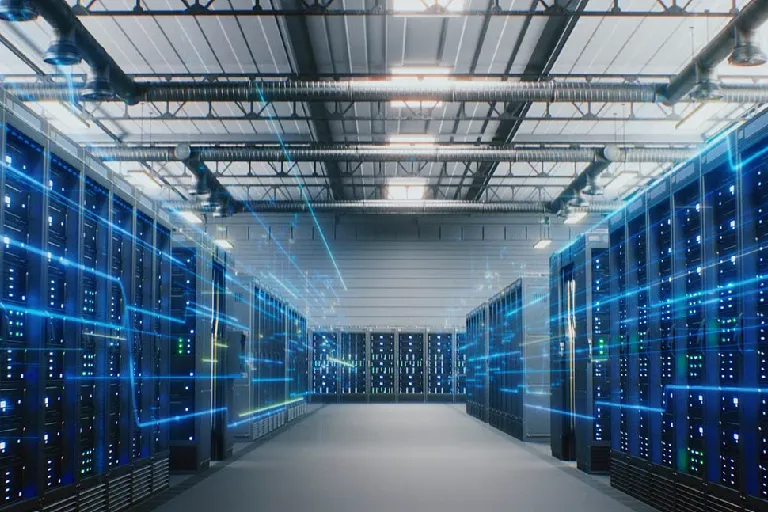
These workloads operate inside large data centres. Such facilities contain high-performance servers, networking equipment, storage systems and sophisticated cooling infrastructure.
Unlike conventional office buildings, AI data centres can consume electricity continuously. Their growing computing requirements are also increasing the amount of power needed by individual server racks.
The IEA expects data centre electricity consumption to grow rapidly through the end of this decade. AI applications are an important factor behind this expansion.
The trend could accelerate as companies move beyond text-based AI towards more demanding applications. These include video generation, advanced reasoning and autonomous AI agents.
As these technologies become more widely adopted, the demand for computing infrastructure could increase further.
Why Power Grids Are Struggling to Keep Up
Building a data centre can take only a few years. However, expanding the electricity infrastructure required to operate it is considerably more complicated.
New power plants, transmission lines, substations and grid connections require extensive planning and investment. They also need regulatory approvals and construction time.
This creates a growing mismatch between the speed of AI infrastructure development and the time required to expand electricity networks.
The problem is particularly visible in regions attracting large investments in AI data centres. When multiple facilities develop within the same area, their combined electricity requirements can place significant pressure on local power networks.
The IEA has highlighted grid connection delays, shortages of electrical equipment and supply-chain constraints as important challenges.
Transformers, power electronics and other specialised equipment are becoming increasingly important. Electricity networks must prepare for larger and more concentrated loads.
The challenge is therefore not simply generating more electricity. Countries must also ensure that power reaches the locations where computing infrastructure is expanding.
Microsoft, Google and Amazon Turn to New Energy Sources
The growing electricity requirements of AI are pushing major technology companies to reconsider how they secure long-term energy supplies.
Microsoft, Google and Amazon are exploring renewable energy agreements, nuclear power partnerships, battery storage and other electricity procurement arrangements.
Nuclear energy is receiving renewed attention because it can provide continuous electricity without depending on weather conditions like solar and wind power.
Renewable energy is also becoming an important part of data centre expansion strategies. However, solar and wind generation require suitable storage and grid infrastructure to provide reliable electricity around the clock.
Battery storage could help operators manage fluctuations in electricity demand. It can also improve flexibility and reduce pressure during periods of peak consumption.
Technology companies are therefore looking beyond conventional electricity procurement. They are increasingly treating energy access as a strategic part of their AI infrastructure plans.
India’s AI Data Centres Bring a Major Power Challenge
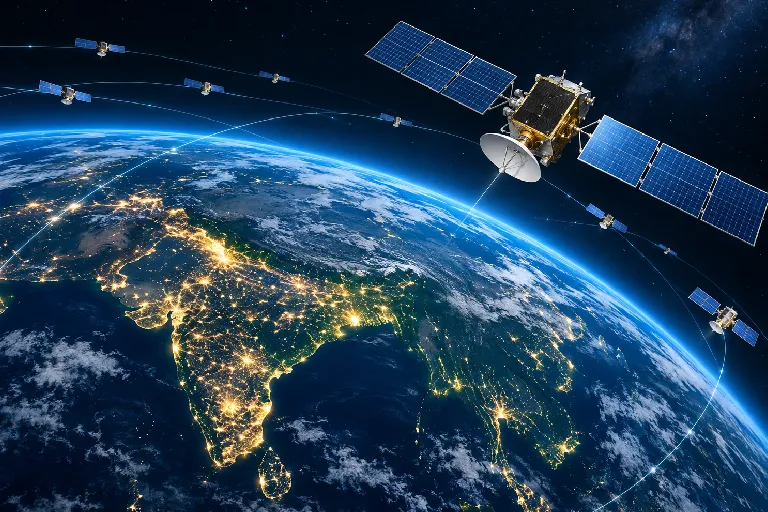
India is emerging as an important destination for data centre investments. Technology companies are expanding cloud services, digital infrastructure and AI capabilities across the country.
The growing digital economy and demand for local data processing are encouraging investments in major markets such as Mumbai, Chennai, Hyderabad, Bengaluru and Noida.
However, electricity availability could become one of the biggest challenges facing this expansion.
According to information presented by India’s Ministry of Power to Parliament in July 2026, AI data centres could add an additional electricity load of 26.3 gigawatts by 2031–32.
The government expects to integrate this additional demand into the electricity grid. Renewable energy capacity is expected to play an important role in meeting the requirement.
This projection highlights the importance of expanding India’s electricity generation and transmission infrastructure alongside digital investments.
India is also exploring nuclear energy as a potential source of reliable power for emerging industries, including AI and data centres.
At the same time, operators are adopting advanced cooling technologies. These systems can help reduce electricity and water consumption.
For India, the challenge will be to expand its AI infrastructure without placing excessive pressure on electricity availability, costs and environmental resources.
Can Renewable Energy Solve the AI Power Problem?
Renewable energy could play an important role in meeting the electricity requirements of future AI infrastructure.
Solar and wind power offer opportunities to reduce dependence on fossil fuels. They can also support the expansion of energy-intensive industries.
However, renewable generation is not always available when electricity demand is highest. This makes battery storage, transmission capacity and reliable backup power essential.
A combination of renewable energy, nuclear power, battery storage and modern electricity networks could provide a more sustainable foundation for AI data centres.
Technology companies are also investing in more energy-efficient processors and cooling systems. Improvements in software and hardware could reduce the electricity required for individual AI tasks.
However, efficiency gains alone may not be sufficient if the number of AI users and the complexity of applications continue to grow rapidly.
The Future of AI Depends on Energy Infrastructure
The global AI race is increasingly becoming an infrastructure race.
Access to advanced chips, computing capacity and skilled workers will remain important. However, reliable and affordable electricity could become an equally critical competitive advantage.
Countries capable of expanding their power infrastructure while maintaining affordable and sustainable electricity supplies may be better positioned to attract data centre investments.
For India, the opportunity is significant. Growing investments in digital infrastructure could strengthen its position in the global AI ecosystem.
However, electricity generation, transmission and storage capacity must develop alongside the industry.
The future of artificial intelligence will not be determined by computing power alone. It will also depend on whether the world can generate and deliver enough electricity to keep the AI revolution running.