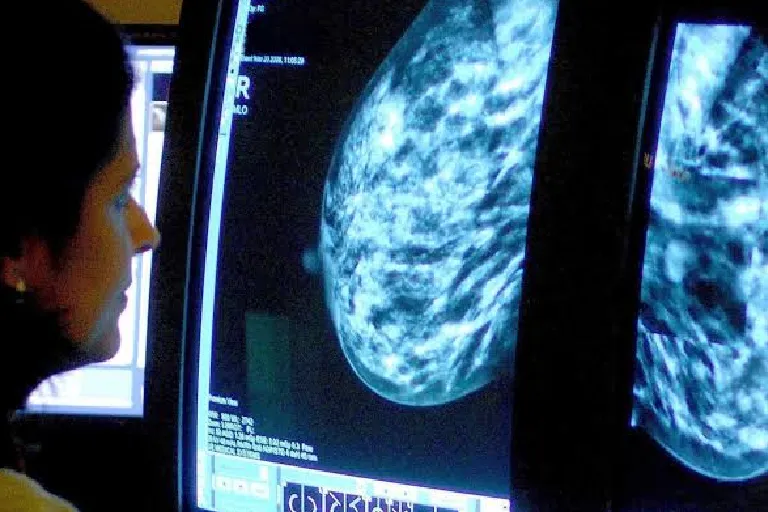
The NHS has started a major AI breast screening trial involving nearly 700,000 women across the UK. The three-year study will examine whether artificial intelligence can help specialists detect breast cancer earlier and review mammograms more efficiently.
Known as EDITH (Early Detection using Information Technology in Health), the £10 million trial will operate across 30 breast screening sites. Cambridgeshire has become the first location to invite women to participate.
The University of Cambridge, University of Warwick and Cambridge University Hospitals NHS Foundation Trust are leading the research. The National Institute for Health and Care Research (NIHR) is funding the project.
How the AI Breast Screening Trial Will Work
The NHS currently requires two specialist radiologists to examine each breast screening mammogram. The EDITH trial will test whether AI can help reduce this workload without compromising patient safety.
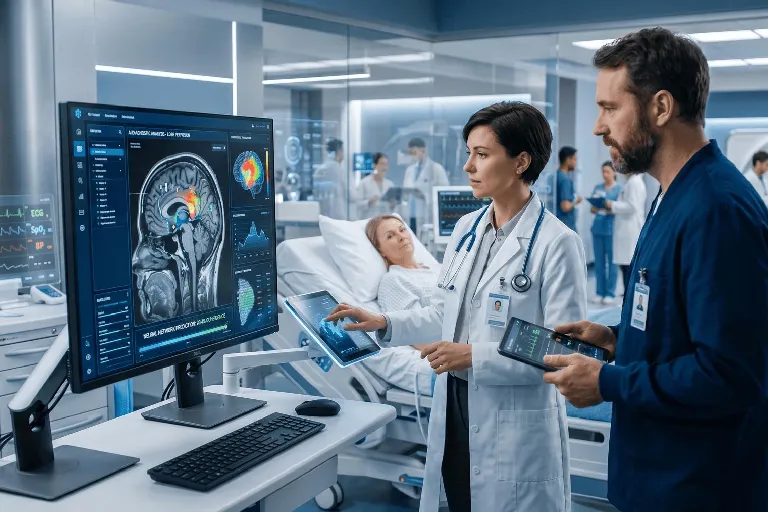
Researchers will assess AI-assisted systems that examine mammograms alongside human specialists. The technology will look for suspicious areas and potential signs of cancer that doctors might otherwise miss.
The trial will also examine whether AI can help specialists identify scans that need closer attention.
Women aged 50 to 71 normally receive NHS breast screening invitations every three years. Eligible women attending participating centres will receive information about the study and can choose to opt out.
AI Will Not Replace NHS Radiologists
The new AI breast screening trial will maintain human oversight throughout the research.
Every mammogram will receive a review by at least one human specialist. Clinical decisions will remain with NHS professionals rather than the AI systems.
The researchers will compare AI-assisted screening with the existing process. They will examine diagnostic performance, patient safety and the potential impact on NHS resources.
According to the University of Cambridge, fewer than 1% of screening mammograms show signs of cancer. Specialists therefore spend considerable time reviewing images that do not indicate the disease.
The trial aims to establish whether AI can help reduce this workload while maintaining screening standards.
NHS Hopes AI Can Ease Cancer Screening Pressure
The research comes as the NHS faces pressure on its radiology workforce and growing demand for diagnostic services.
If the trial demonstrates that AI-assisted screening is safe and effective, the technology could help specialists review more mammograms and spend additional time on patients who need further investigation.
The project also reflects growing efforts to introduce artificial intelligence into healthcare while maintaining clinical supervision.
However, researchers must establish the technology’s accuracy and safety before the NHS considers wider adoption.
The EDITH trial will provide evidence on whether AI can become a reliable part of Britain’s breast cancer screening programme.