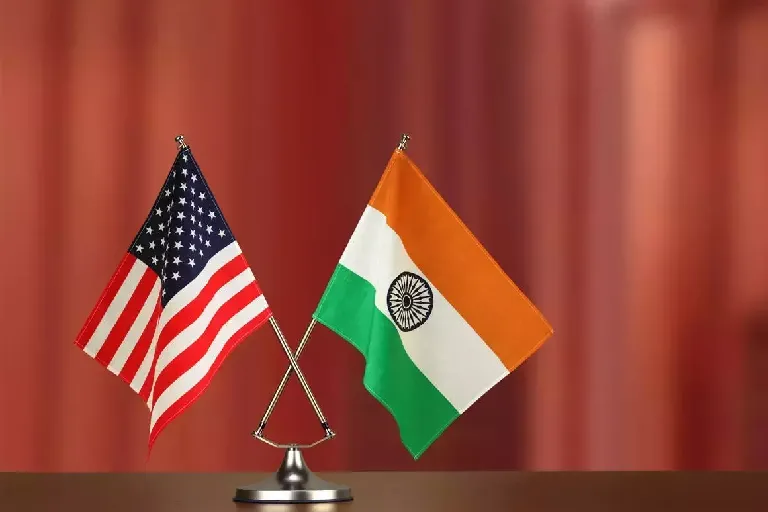
The US India AI security pact brings together 10 countries to protect artificial intelligence technology, semiconductor supply chains and critical infrastructure. The United States, India and eight other nations signed the San Francisco Declaration on November 15, 2026.
The agreement comes amid growing global competition over AI technology. It aims to strengthen cooperation and protect critical resources needed for advanced computing.
US India AI Security Pact Focuses on Technology Protection
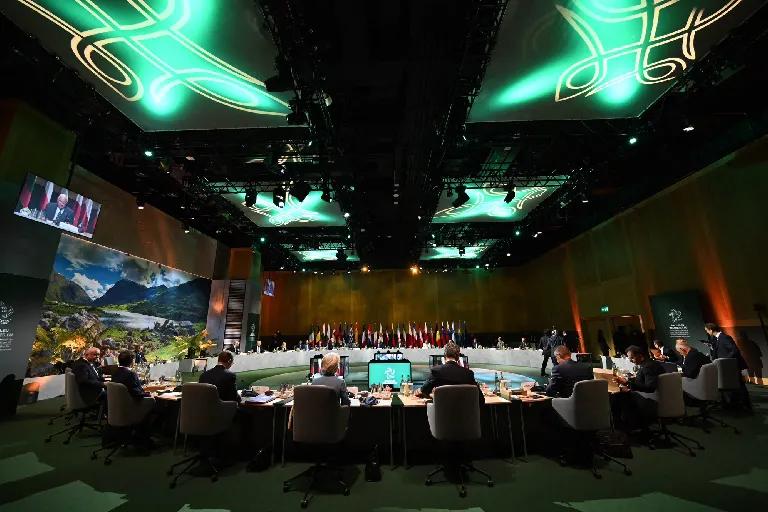
The San Francisco Declaration was signed under the US-led Pax Silica initiative. It brings together the United States, Australia, India, Israel, Japan, South Korea, Qatar, Singapore, the United Arab Emirates and the United Kingdom.
The declaration identifies economic security as a key part of national security. It calls for greater cooperation to protect sensitive technologies and critical supply chains.
The framework covers semiconductors, software, advanced materials and AI infrastructure. It also addresses technology theft and unauthorised transfers.
AI Supply Chains Become a Global Security Priority
The US India AI security pact highlights the importance of reliable supply chains. Countries want to reduce excessive dependence on individual suppliers.
The declaration also identifies risks involving hostile access to sensitive technologies. Such access could create military, intelligence or economic advantages.
Participating countries aim to build more resilient supply networks. They also want to strengthen cooperation in advanced technology manufacturing.
Critical Infrastructure Protection Gets Greater Attention
The agreement extends beyond semiconductor production. It also focuses on the infrastructure that supports AI development.
This includes ports, transport networks, logistics systems, communications infrastructure and energy facilities.
The declaration highlights the risks of disruption or hostile control. Attacks on these systems could affect essential services and economic activity.
Five Working Groups Planned Under Pax Silica
The participating countries have proposed five working groups. These groups will help turn the declaration’s objectives into practical cooperation.
Their focus areas include innovation-friendly policies and AI adoption across industries. Other priorities include supply chain cooperation, security hubs and AI resilience.
The groups will also examine ways to improve technology security. Their work is expected to support stronger coordination among participating nations.
India Strengthens Its Position in Global AI Cooperation
India’s participation adds another important dimension to the US-led Pax Silica initiative. The initiative focuses on semiconductors, critical minerals, advanced computing and AI supply chains.
India joined Pax Silica in February 2026 during the India AI Impact Summit in New Delhi.
The latest declaration strengthens India’s engagement with international technology partners. It also reflects growing efforts to secure strategic technologies.
The US India AI security pact does not establish a legally binding treaty. Instead, it provides a framework for cooperation on technology security, supply chain resilience and critical infrastructure protection.
As global demand for AI infrastructure continues to grow, cooperation between these countries could become increasingly important.