Iran has expanded its military attacks across the Gulf following US strikes on Qeshm Island in the Strait of Hormuz. Kuwait reported intercepting hostile drone attacks, while Bahrain said its air defences intercepted further Iranian aerial attacks on November 18.
The escalation has raised fresh concerns about regional security, energy supplies and international shipping. It also threatens diplomatic efforts to end the ongoing conflict between Washington and Tehran.
According to Reuters, Iran’s military said it targeted US drone and missile installations at Kuwait’s Ali Al Salem air base. The development marks Tehran’s first reported attack on the US-allied Gulf country since September.
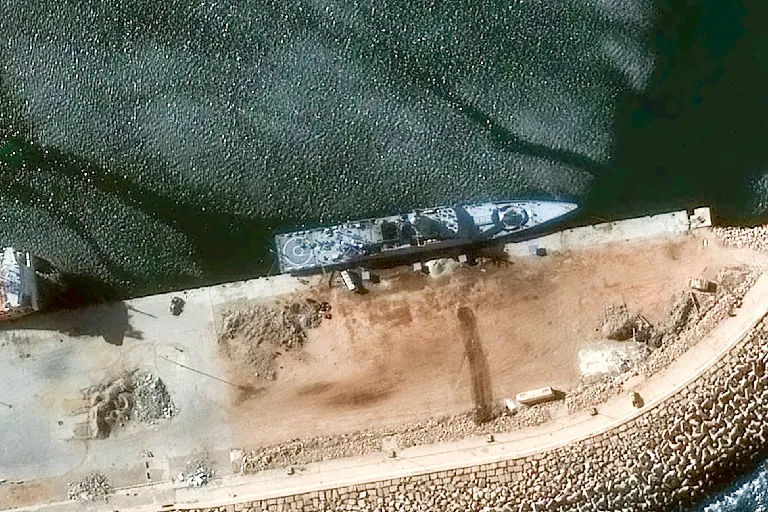
US Strikes Iranian Missile Site on Qeshm Island
The latest escalation followed American airstrikes on Qeshm Island on November 17.
A US military official told Reuters that American fighter jets targeted an Islamic Revolutionary Guard Corps missile launch site on the island.
The official described the operation as a response to Iranian attacks against US personnel and military assets.
However, Iranian media cited a local official who said the American strikes caused no damage to residential, commercial or infrastructure facilities.
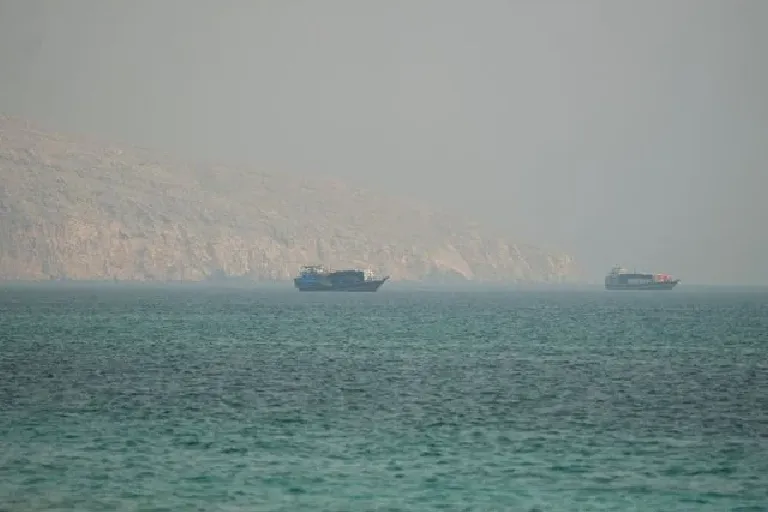
Qeshm Island holds strategic importance because of its location near the Strait of Hormuz, one of the world’s most important energy shipping routes.
Iran Targets US Military Installations in Kuwait
Iran’s military said it targeted American drone and missile installations at Ali Al Salem air base in Kuwait.
Kuwait’s military confirmed that its air defence systems were responding to hostile drone attacks. However, authorities did not immediately report significant damage.
Meanwhile, Kuwait’s Foreign Ministry condemned the attacks and warned that further aggression threatened regional stability.
The development marks a significant expansion of the latest confrontation between Iran and American allies in the Gulf.
Bahrain Intercepts Further Iranian Attacks
Bahrain also reported intercepting Iranian aerial attacks on Wednesday.
The country’s authorities said their air defence systems intercepted the incoming threats for the third time in a week.
Bahrain hosts the headquarters of the US Navy’s Fifth Fleet, making it strategically important to American military operations in the region.
Furthermore, Bahrain accused Tehran of maintaining a systematic hostile approach towards the Gulf kingdom.
Saudi Arabia Intercepts Houthi Missile Targeting Riyadh
The escalation has also extended to Saudi Arabia.
The Saudi-led coalition fighting Yemen’s Iran-aligned Houthi movement said its air defences destroyed a cruise missile launched towards Riyadh.
The incident followed coalition airstrikes against Houthi military positions in Yemen.
The Houthis claimed that the previous day’s attacks killed at least 17 people. However, the coalition said its operation targeted missile and drone infrastructure.
Strait of Hormuz Raises Global Energy Concerns
The latest military exchanges have increased concerns about commercial shipping through the Strait of Hormuz.
The waterway carries a significant share of global oil and liquefied natural gas shipments. Consequently, prolonged disruptions could affect energy prices and international supply chains.
Meanwhile, tanker attacks have added further pressure on regional shipping operations.
The UAE’s state-owned oil company ADNOC also reported an attack on one of its vessels in the Strait. One crew member remained missing, while 11 others suffered injuries.
Diplomatic Efforts Face Growing Challenges
The latest attacks threaten efforts to negotiate an end to the conflict.
Qatar and Iran have held discussions aimed at narrowing differences between competing proposals. Additionally, Oman has engaged with Tehran over maritime security and the safe movement of commercial vessels.
However, continued military exchanges between Iran and US allies could make diplomatic progress more difficult.
With attacks spreading across multiple Gulf countries, the coming days will prove critical for regional security and global energy markets.