
Ukraine’s reliance on US satellite technology has exposed a major weakness in Europe’s defence capabilities. Recent disruptions to military satellite communications and concerns over missile-warning intelligence have highlighted how difficult it would be for Kyiv to replace American systems quickly.
European countries are exploring alternatives, but existing networks cannot immediately match the capabilities Ukraine needs for frontline operations. The situation has renewed calls for Europe to strengthen its independent space and defence infrastructure.
Ukraine’s reliance on US satellite systems
Ukraine depends heavily on SpaceX’s Starlink network for battlefield communications. Its military-grade Starshield service also supports sensitive defence operations, including drone missions.
On October 14, Ukrainian officials reported disruptions affecting Starshield terminals operating at high speeds. The problems reportedly hampered Ukrainian drones used for attack missions and air defence, according to Reuters.
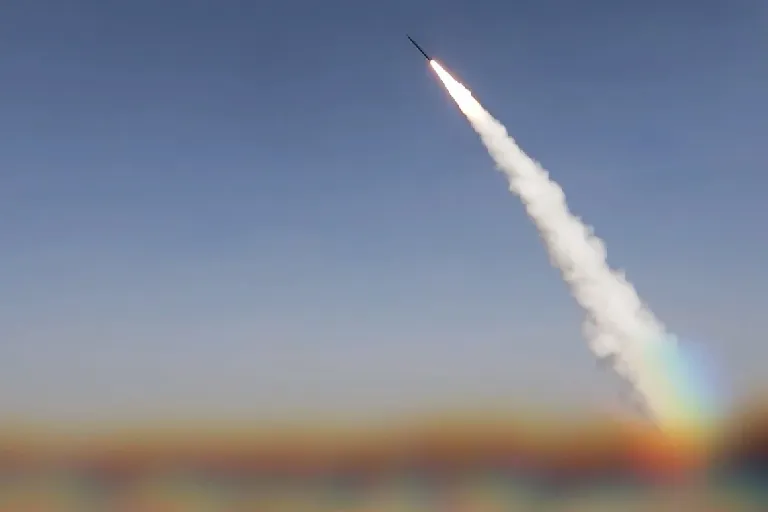
Separately, Ukrainian President Volodymyr Zelenskyy raised concerns about gaps in warnings of Russian ballistic missile attacks. US space-based infrared systems play a crucial role in detecting missile launches and providing early warnings.
These developments have highlighted the strategic risks of depending on technology controlled by another country, particularly during an ongoing war.
Why Europe cannot replace Starlink quickly
European governments have supported Ukraine, but they lack a ready-made satellite communications system that can immediately replace Starlink on the battlefield.
Eutelsat’s OneWeb network is one potential alternative. However, satellite experts have raised concerns about its capacity, performance and the size, weight and power requirements of its user terminals.
Switching networks would also require replacing thousands of terminals because Starlink and OneWeb use different technologies. That would make a rapid transition difficult for Ukrainian forces operating under wartime conditions.
Europe also lacks an equivalent to the US Space-Based Infrared System, which detects the heat generated by missile launches. Reproducing that capability would require significant investment, specialised satellites and time.
Europe plans to strengthen its space capabilities
European leaders are increasingly focused on reducing the continent’s dependence on American defence technology.
The European Union’s planned IRIS² satellite constellation is intended to improve secure communications and strengthen Europe’s strategic autonomy. However, the system is not expected to provide an immediate replacement for existing US capabilities.
Germany is also developing a military satellite constellation as European countries explore ways to improve their independent defence infrastructure.
Meanwhile, Ukraine is seeking closer cooperation with European partners to secure alternatives for satellite communications and air defence systems. On October 16, Euronews reported that Kyiv was pursuing concrete plans to reduce its reliance on US technology.
What this means for Ukraine and Europe
The recent disruptions have reinforced the importance of having alternative communications networks and independent intelligence capabilities.
For Ukraine, diversifying its satellite infrastructure could reduce the risks associated with sudden service restrictions or changes in US policy. For Europe, the challenge extends beyond supporting Kyiv: it also raises questions about the continent’s ability to defend itself without relying so heavily on American technology.
Although European satellite programmes could improve the situation over time, building comparable capabilities will require sustained investment and cooperation between governments and industry.
For now, the episode highlights a central challenge for European defence planning: political support alone cannot replace the advanced satellite infrastructure needed for modern warfare.