
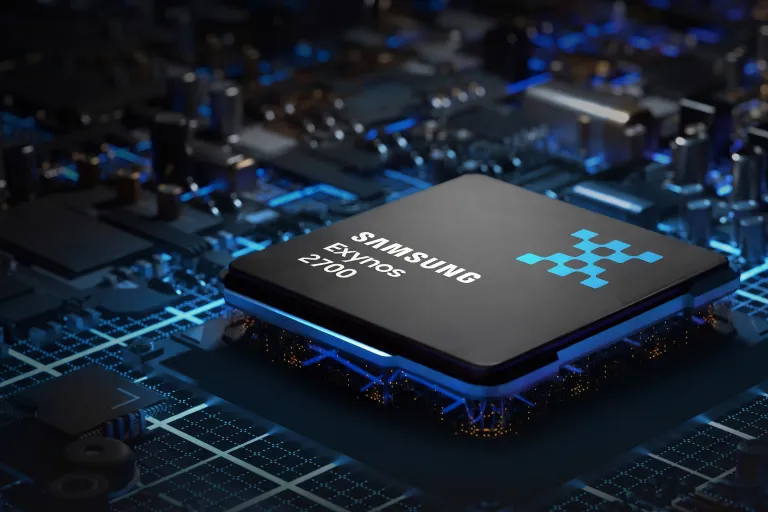
Samsung’s upcoming Exynos 2700 has reportedly outperformed Qualcomm’s latest flagship Snapdragon processor in internal performance tests. A ChosunBiz report published on October 25 claims the Exynos 2700 achieved a multicore CPU score around 20% higher than the Snapdragon 8 Elite Extreme Gen 6 in Geekbench 6.5. These results could mark an important step forward for Samsung’s in-house smartphone processors.
Samsung may use the Exynos 2700 in some models of the upcoming Galaxy S27 series. However, independent reviewers have yet to verify these benchmark results. Real-world performance also remains uncertain.
Exynos 2700 vs Snapdragon: What do the benchmarks show?
According to the report, Samsung’s upcoming processor achieved approximately 13,000 points in Geekbench 6.5 multicore testing. In comparison, Qualcomm’s Snapdragon 8 Elite Extreme Gen 6 scored around 11,000 points.
This represents an approximately 20% advantage for the Exynos 2700 in that particular test. The chip reportedly maintained a lead of around 15% in Geekbench 7.0 multicore testing.
The report also claims that the Exynos 2700 outperformed the standard Snapdragon 8 Elite Gen 6 by 44% in Geekbench 6.5 and 36% in Geekbench 7.0 multicore tests.
However, these figures come from reported internal testing. Independent comparisons using final retail smartphones will help establish how the processors perform under comparable conditions.
Exynos 2700 could deliver better gaming performance
The reported results also suggest improvements in graphics processing. According to the report, the Exynos 2700 achieved around 20% higher peak graphics performance than Qualcomm’s top-tier processor in a demanding graphics test.
In a separate test measuring graphics processing in high-end 3D games, the reported advantage was closer to 5%.
These figures suggest that Samsung could be making progress in mobile graphics performance. Nevertheless, the available reports do not provide enough detail about the individual graphics tests to predict performance across specific games.
For gamers, sustained performance will be particularly important. Frame rates, heat generation and power consumption during extended gaming sessions will help determine whether the new chip offers a meaningful advantage.
Samsung’s 2nm technology could improve efficiency
Samsung is reportedly preparing to manufacture the Exynos 2700 using its second-generation 2-nanometre process, known as SF2P.
The company may also use improved Heat Path Block packaging technology to manage heat and sustain performance.
Together, these developments could help Samsung balance processing power with thermal management. However, benchmark scores alone cannot establish whether the processor will deliver better battery life or energy efficiency.
Independent testing of finished devices will need to confirm those potential improvements.
Will the Exynos 2700 power the Galaxy S27?
Reports suggest that the Exynos 2700 could feature in some models of Samsung’s upcoming Galaxy S27 series, which is expected to arrive in early 2027.
Samsung has not confirmed the final processor lineup or regional availability for the next generation of Galaxy phones. The company may also use different processors in different markets.
If the reported improvements hold up, the Exynos 2700 could help Samsung reduce its reliance on Qualcomm for flagship smartphones. It could also strengthen competition in the premium Android processor market.
However, buyers should wait for independent reviews before deciding which processor offers the better overall experience.
What the Exynos 2700 results mean for Samsung
The reported benchmark results offer an encouraging sign for Samsung’s semiconductor ambitions. A potential multicore performance lead over Qualcomm’s flagship processor would represent a notable achievement for the Exynos programme.
Still, synthetic benchmarks tell only part of the story. Gaming performance, battery efficiency, sustained workloads and thermal behaviour will all influence the final verdict.
For now, the Exynos 2700 looks promising on paper. Its real test will come when commercial Galaxy S27 devices reach reviewers.