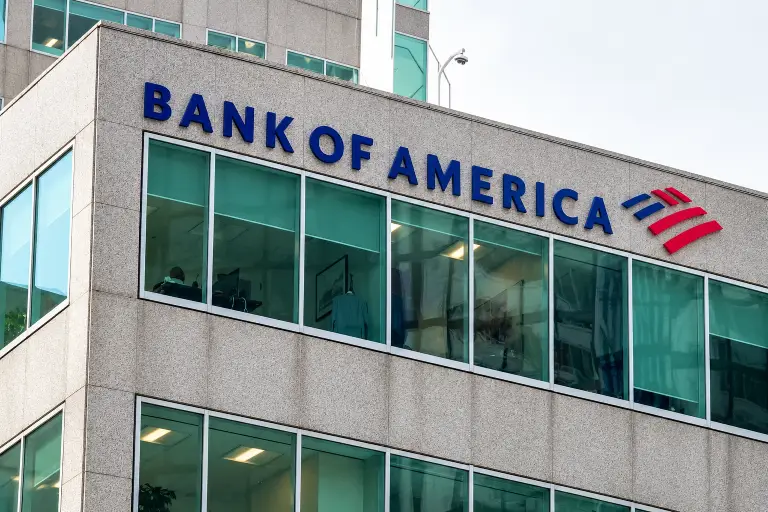
Bank of America has hired 1,000 external contractors to help fix software vulnerabilities identified by advanced artificial intelligence models, including Anthropic’s Mythos. The Bank of America AI security effort highlights the growing challenge organisations face as AI tools uncover weaknesses in complex software systems.
According to CEO Brian Moynihan, the additional contractors joined the bank during the second quarter of 2026. They are working alongside approximately 3,000 existing employees involved in identifying and fixing software vulnerabilities.
The move reflects the growing importance of cybersecurity as AI models become more capable of detecting weaknesses in computer code.
Anthropic’s Mythos raises the stakes for cybersecurity
Anthropic introduced Mythos as an advanced AI model with strong cybersecurity capabilities. It can identify complex software vulnerabilities that may be difficult for traditional security tools to detect.
These capabilities can help organisations discover weaknesses before malicious actors exploit them. However, finding vulnerabilities is only part of the challenge. Companies must also investigate the findings, develop fixes, test them and deploy patches without disrupting critical services.
For a large financial institution such as Bank of America, that process can require substantial engineering resources.
Why Bank of America needs additional workers
Bank of America’s decision to bring in 1,000 contractors demonstrates the scale of the work involved in addressing software weaknesses. The additional personnel are helping the bank work through repairs across its own systems and software supplied by external vendors.
The bank’s existing cybersecurity and technology teams remain central to this effort. The contractors provide additional capacity to handle the remediation workload.
Moynihan has also indicated that the costs associated with the broader remediation effort could decline as the initial backlog of issues is addressed.
The bank discussed remediation expenses of more than a couple of hundred million dollars. However, those costs covered both work associated with Mythos and repairs to anti-money-laundering controls, so the entire amount should not be attributed to AI-discovered vulnerabilities.
What this means for the future of AI security
The development highlights an important shift in cybersecurity. AI can help organisations identify vulnerabilities, but those discoveries can create significant workloads for the teams responsible for fixing them.
Banks and other organisations may need to invest more in software testing, patch management and security engineering as AI-powered vulnerability discovery improves.
The same technology could also benefit defenders by helping them identify and address weaknesses before attackers exploit them. Its overall impact will depend on how quickly organisations can turn AI-generated findings into effective security improvements.
For the financial sector, the challenge is particularly important because software weaknesses can affect sensitive customer information and essential banking services.
Bank of America’s response offers a clear example of how advanced AI is changing cybersecurity operations. As these tools evolve, organisations will need to balance faster vulnerability detection with the resources and processes required to secure their systems.