
China will tighten oversight of its drive into advanced technology, seeking to curb investment bubbles while ensuring artificial intelligence remains “safe, reliable and controllable”, according to policy guidelines issued on Friday.
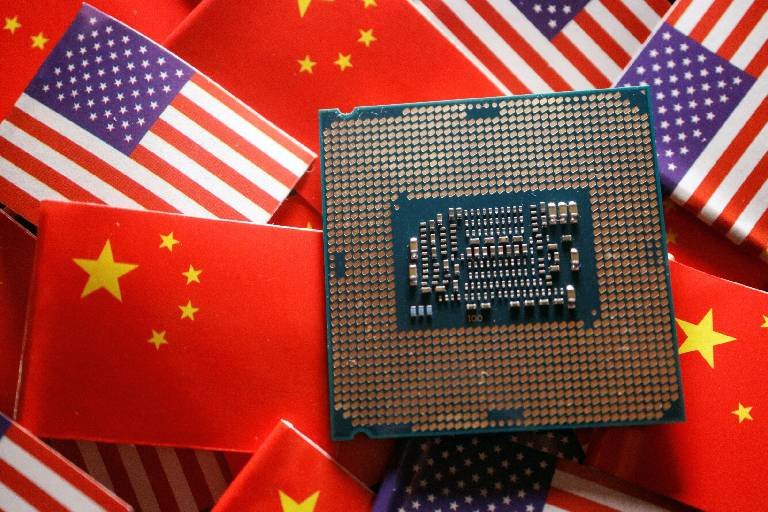
As Beijing ramps up support for high-tech manufacturing and strategic industries to boost technological self-sufficiency amid rivalry with the US, the guidelines warned against blind investment and excessive expansion into emerging sectors.
“Developing new productive forces is an inherent requirement and an important focus for promoting high-quality development,” Xinhua cited the guidelines, issued by the ruling Communist Party and the cabinet, as saying.
President Xi Jinping introduced the term “new productive forces” in 2023, emphasising scientific research, technological breakthroughs and industrial upgrading across China’s manufacturing base.
The guidelines said China would seek breakthroughs in AI theory and core technologies, strengthen the supply of computing power, algorithms and data, and establish national pilot bases for industrial AI applications. They also called for technology monitoring, risk-warning and emergency-response systems to ensure AI remains “safe, reliable and controllable”.
China will fully implement its “AI Plus” initiative, using AI to upgrade traditional industries and accelerate the rollout of intelligent products including connected new-energy vehicles, AI-enabled phones and computers, and humanoid robots, the document said.
The guidelines also pledged to strengthen “original and disruptive” innovation in core technologies and to use China’s state-led “new nationwide system” to speed the development and deployment of landmark products.
At the same time, officials were told to prioritise the real economy and avoid bubbles, industrial hollowing-out, blind investment and “swarm-like” rushes into high-tech sectors.
China will “strictly prohibit the illegal or improper abuse of policies in the name of developing new productive forces,” the guidelines said, adding that officials responsible for major losses caused by blind investment would be held accountable.
The document also called for the healthy and orderly development of the low-altitude economy — businesses built around civilian drones, air taxis, small aircraft and related services — while ensuring safety.