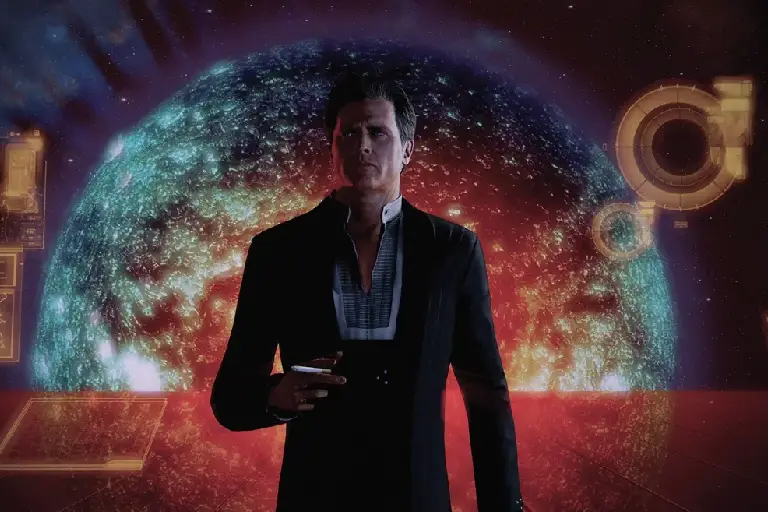
EA shuts down BioWare, the legendary video game studio behind Mass Effect and Dragon Age, as Electronic Arts restructures its gaming operations. The decision ends early development on the next Mass Effect project and marks a major change for one of gaming’s best-known role-playing game developers.
BioWare confirmed the closure on October 21, 2026, after more than three decades in the gaming industry. The announcement follows EA’s decision to concentrate its resources on fewer, larger projects.
Mass Effect and Dragon Age developer closes
Founded in 1995, BioWare helped shape story-driven role-playing games with titles such as Baldur’s Gate, Star Wars: Knights of the Old Republic, Dragon Age and Mass Effect.
The studio’s closure means early development on the next Mass Effect game will not continue under the current plan. The decision is a setback for fans awaiting another instalment in the science-fiction franchise.
EA said the move forms part of a broader strategy to focus its teams and investment on projects with stronger growth opportunities.
EA cuts jobs and reshapes its gaming portfolio
The restructuring extends beyond BioWare. Reuters reported that EA plans to cut around 400 jobs across the company, including approximately 50 positions at BioWare.
EA is continuing development on other major projects, including Marvel’s Iron Man and the next Star Wars Jedi game. The publisher also plans further investment in Battlefield and Apex Legends.
The changes reflect EA’s effort to narrow its development slate and concentrate resources on established franchises and selected new projects.
What BioWare’s closure means for gamers
BioWare’s departure marks the end of a studio that helped define narrative-driven gaming for generations of players. Its games became known for branching storylines, character relationships and choices that influenced how adventures unfolded.
For now, the future of the Mass Effect franchise remains uncertain following the cancellation of its early-stage project. EA has not announced a replacement plan for that development.
The closure also highlights the challenges facing major game studios as publishers reassess costs, staffing and the number of large-scale projects they can support.