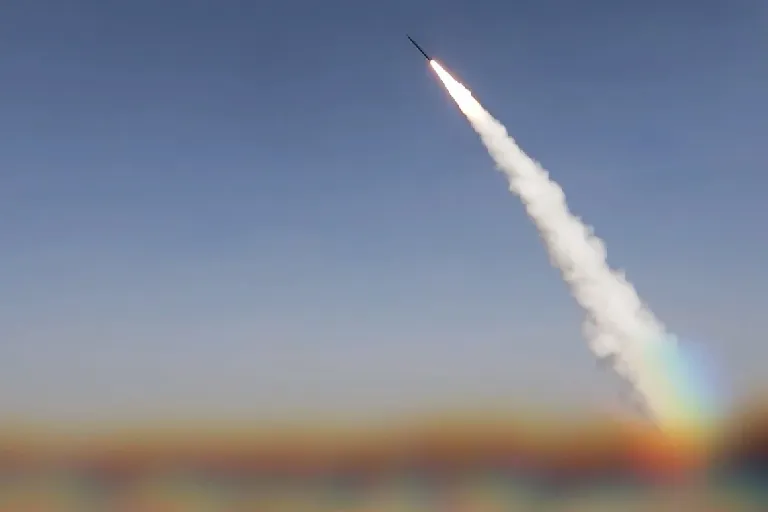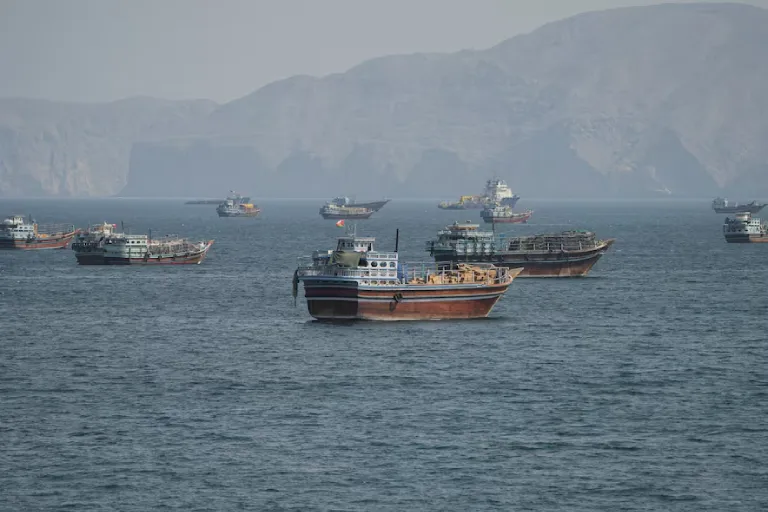
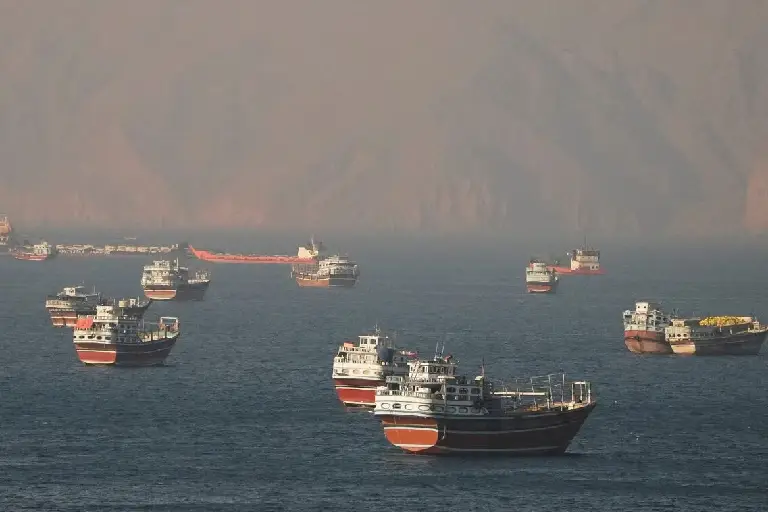
The Iran shipping threat is raising concerns over global oil supplies and maritime security as Tehran reportedly adopts new tactics against commercial vessels passing through the Strait of Hormuz. Two senior Iranian officials told Reuters that the strategy aims to maintain pressure on oil prices and influence the United States’ November midterm elections.
The officials said Tehran had changed the type and frequency of its attacks in recent days. The reported shift comes amid continuing tensions between Iran, the United States and Israel, with disruptions to one of the world’s most important energy shipping routes raising concerns about international oil supplies.
Iran changes its maritime tactics
Iran has sought to exert greater control over the Strait of Hormuz since US and Israeli strikes against the country began on February 28, according to the Reuters report. Before the conflict, the waterway carried approximately one-fifth of global oil and liquefied natural gas trade.
Restrictions and attacks have significantly reduced commercial shipping activity through the strait, contributing to higher oil prices. However, some shipments have continued to pass through the waterway.
The two Iranian officials said the country’s leadership had approved the revised strategy and that the approach was coordinated across its governing system. One official said the objective was to frustrate US and allied efforts to bring down global oil prices.
Iran reportedly uses small boats to identify targets
A US military official told Reuters that Iran’s Islamic Revolutionary Guard Corps (IRGC) had begun using unarmed spotters in small boats to identify potential targets following damage to the country’s radar capabilities.
The official described an incident last week in which Iranian spotters allegedly operated from a dhow and relayed target information to the IRGC. US forces confronted the vessel and destroyed it after instructing those aboard to abandon ship. No casualties were reported, according to the official.
The US official also said damage to Iran’s navy had limited its ability to use its remaining fast boats to disrupt oil exports through the strait.
Iran shipping threat raises global oil concerns
The reported escalation comes as the conflict’s financial and political consequences remain significant in the United States. The war’s estimated monthly cost of $3 billion has become an issue in the run-up to November’s congressional elections.
Washington has maintained pressure on Tehran through a naval blockade of Iranian ports and additional sanctions, while seeking an agreement to end the conflict.
Maritime security reporting cited by Reuters indicated that at least five incidents involving commercial vessels had occurred around the Strait of Hormuz during the preceding 48 hours. The reported incidents included drone strikes and other attacks involving tankers and commercial ships.
The United Nations’ International Maritime Organization data, alongside reports received by the UK Maritime Trade Operations agency, also pointed to an increase in incidents compared with earlier periods of the conflict.
A maritime security source described the rise in attacks as a deliberate increase in operational tempo.
Iran signals operations could expand beyond the strait
The Iranian officials said Tehran could extend its maritime operations beyond the Strait of Hormuz to the Gulf of Oman and other surrounding waters.
Reports analysed by maritime security sources suggested that incidents had also occurred in waters off Qatar and the United Arab Emirates. If sustained, a broader area of operations could complicate efforts to restore normal commercial shipping and increase risks for vessels operating in the region.
One Iranian official told Reuters that Tehran would continue applying pressure if it believed oil prices were falling before the US midterm elections.
The Pentagon and Iran’s foreign ministry had not immediately responded to requests for comment at the time of the Reuters report.
Iran warns of possible complete closure
Both Iranian officials indicated that Tehran was moving towards preventing vessels that violated its restrictions from passing through the strait. One official warned that a complete closure could follow.
The US Navy-led Joint Maritime Information Center continued to classify the threat to merchant shipping in the Strait of Hormuz as severe in its latest report cited by Reuters. Reported risks included drone overflights, targeted surveillance of merchant vessels and radio communications directed at commercial shipping.
Any further disruption to the waterway could affect global energy markets, shipping costs and insurance premiums. The extent of the impact will depend on how the situation develops and whether commercial traffic can safely resume normal operations.