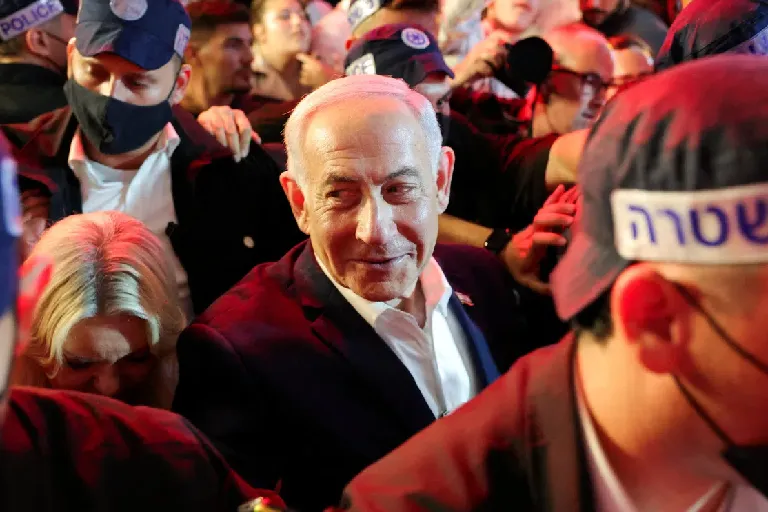
The Israel election 2026 is putting Prime Minister Benjamin Netanyahu’s leadership to a major test. Voters are choosing a new parliament amid security concerns, political divisions and questions about the government’s handling of the October 7, 2023, attacks. As a result, the election could reshape Israel’s political future and determine who leads the country next.
Netanyahu faces a tough election challenge
Netanyahu is seeking another term as Israel’s prime minister. However, his Likud party and its right-wing allies face a strong challenge from opposition groups led by former military chief Gadi Eisenkot.
Opinion polls suggest a close contest. Consequently, neither major bloc may secure an easy parliamentary majority. Smaller parties could therefore play a decisive role in determining the next government.
Israel election 2026: What are voters concerned about?
Security remains a central issue in the election. Many voters are assessing the government’s response to the October 7 attacks and the conflicts that followed.
Meanwhile, other major concerns include military service exemptions for ultra-Orthodox men, judicial independence and Israel’s international standing. Netanyahu has highlighted his security record and relationship with US President Donald Trump. In contrast, his opponents argue that the government needs greater accountability and a different political direction.
Why forming a government could be difficult
Israel’s parliament, the Knesset, has 120 seats. To form a government, a coalition needs the support of at least 61 members.
However, winning the most seats does not automatically guarantee the premiership. Party leaders must also secure support from other political groups to establish a governing majority.
If neither major bloc reaches the required number, negotiations could continue for weeks. Consequently, political uncertainty may persist even after voters have cast their ballots.
How the Israel election 2026 could affect regional politics
The election could influence Israel’s approach to regional security, relations with Washington and its wider international partnerships.
For instance, Netanyahu has emphasised his security credentials and close ties with Trump. Meanwhile, Eisenkot has presented himself as an alternative after years of conflict and domestic division.
Nevertheless, a change in leadership would not necessarily bring an immediate shift in Israeli foreign policy. Instead, the next government’s direction will depend on its coalition partners and the decisions it makes after taking office.
What happens next?
Vote counting and coalition negotiations will determine the next stage of Israel’s political future. Ultimately, the parliamentary balance will be crucial in deciding whether Netanyahu can remain in power or the opposition can form a government.
For now, the Israel election 2026 remains a closely watched contest with significant implications for Israel and the wider Middle East. As official results emerge, the country’s political direction should become clearer.