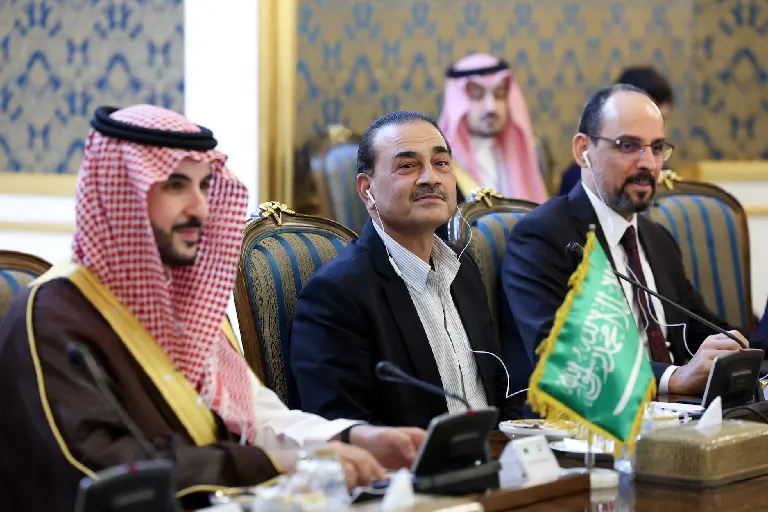
Saudi Arabia, Pakistan and Türkiye held high-level Saudi Arabia–Iran talks in Tehran on October 26, 2026, in a diplomatic effort to reduce escalating tensions across the Middle East. The meeting brought together senior officials from the three countries and Iran as the regional conflict threatens security, energy infrastructure and international shipping. The discussions also explored ways to strengthen regional cooperation and prevent further military escalation.
Saudi Arabia, Pakistan and Türkiye meet Iranian leaders
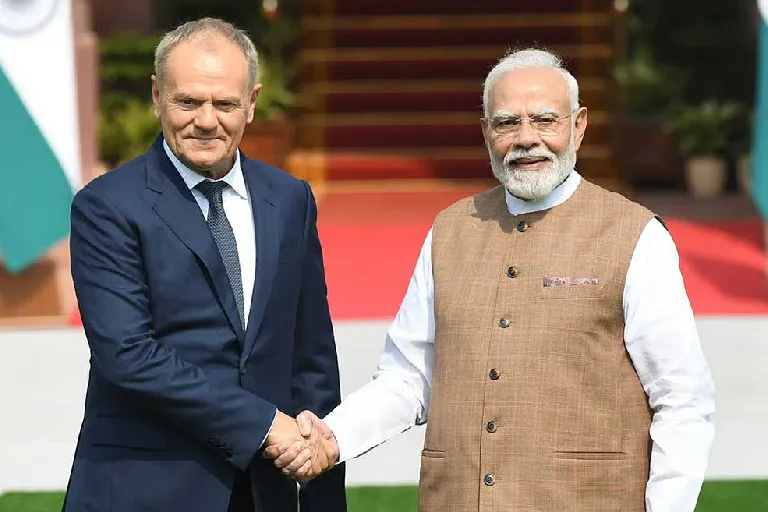
The meeting brought together Saudi Defence Minister Prince Khalid bin Salman, Pakistani Army Chief Field Marshal Asim Munir and Türkiye’s intelligence chief Ibrahim Kalin. They held consultations with Iranian officials, including senior representatives of Iran’s Supreme National Security Council.
According to Saudi officials, the visit formed part of ongoing efforts to promote dialogue and diplomatic solutions. In addition, the discussions supported mediation efforts involving Pakistan and Qatar.
The meeting marked an important high-level diplomatic contact between Iran and the three countries since the wider conflict intensified and fighting spread to Saudi Arabia and Yemen.
Regional security tops the agenda
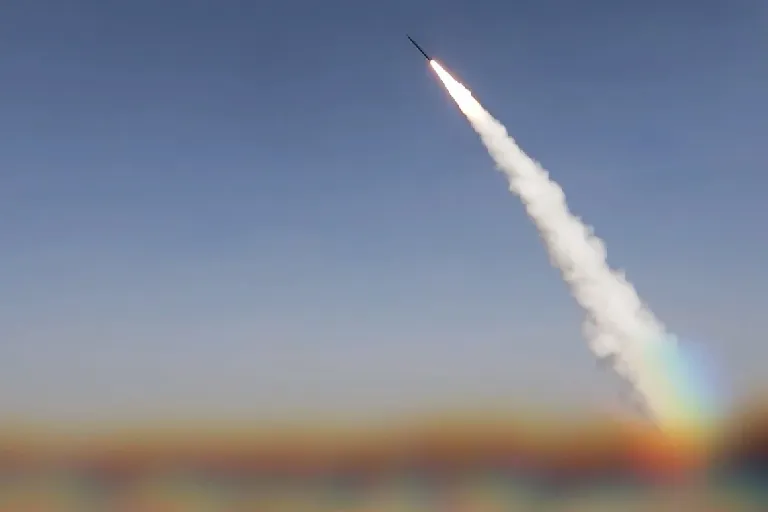
The talks focused on regional security, the risk of renewed military escalation and the consequences of the conflict involving Iran, the United States and Israel.
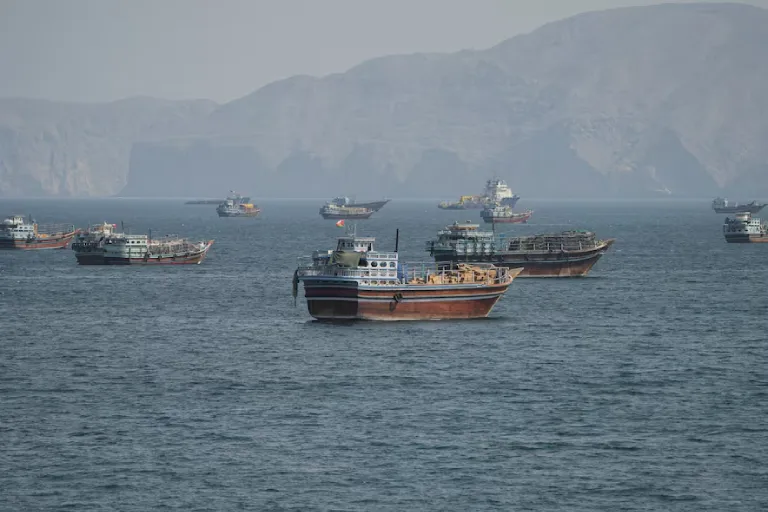
Furthermore, officials discussed developments affecting the Palestinian territories and Lebanon. The meeting also addressed concerns surrounding the Strait of Hormuz, a critical shipping route for global energy supplies.
Pakistan has played a central role in efforts to facilitate dialogue between Washington and Tehran. Qatar has also pursued mediation, although earlier diplomatic progress failed to produce a lasting agreement.
However, negotiations remain difficult. Iranian officials have said that Tehran’s conditions, including an end to the US blockade of Iranian ports and the lifting of oil sanctions, must be addressed before further negotiations with Washington can advance.
Houthi attacks raise concerns for Saudi Arabia
The diplomatic push comes amid escalating tensions involving Yemen’s Houthi movement and Saudi Arabia.
The Houthis claimed on October 26 that they had attacked Saudi oil pipeline pumping stations and Riyadh airport. However, Saudi authorities had not immediately confirmed those latest claims in the reporting available.
The allegations follow earlier attacks targeting Saudi infrastructure. Consequently, the security situation has increased pressure on regional governments to prevent the conflict from spreading further.
Saudi Arabia has intensified military operations against the Houthis as fighting continues in Yemen. Meanwhile, the group remains aligned with Iran, adding another dimension to the broader regional confrontation.
Why the Strait of Hormuz matters
The conflict has disrupted shipping through the Strait of Hormuz, one of the world’s most important routes for oil and liquefied natural gas shipments.
As a result, uncertainty around the waterway has contributed to pressure on global energy markets. Any further escalation could affect shipping costs, energy prices and supply chains.
For Saudi Arabia, protecting oil infrastructure and maintaining reliable export routes remain major concerns. For Pakistan and Türkiye, reducing regional instability is also important because prolonged conflict could carry wider economic and security consequences.
Nevertheless, diplomatic engagement alone does not guarantee a ceasefire. Any lasting agreement would require progress on the underlying disputes and commitments to prevent further attacks.
Can the Iran talks prevent further escalation?
The October 26 meeting could provide an opening for continued regional consultations. Saudi Arabia, Pakistan and Türkiye have an interest in reducing the risks posed by a wider conflict, while Pakistan and Qatar have already supported mediation efforts.
The talks also highlight attempts by regional powers to develop security arrangements that involve countries across the Middle East. However, differences over sanctions, military action and regional influence remain significant obstacles.
For now, the meeting represents a diplomatic effort rather than a confirmed peace agreement. Its significance will depend on whether the countries can maintain dialogue and translate discussions into concrete steps that reduce tensions.
The coming days will be important in determining whether these efforts can prevent further escalation and protect regional security.