Amilitia attack on King Khalid International Airport in Riyadh, Saudi Arabia, has killed 12 people and injured hundreds, prompting the Saudi-led coalition to promise a decisive response against Yemen’s Houthi rebels.
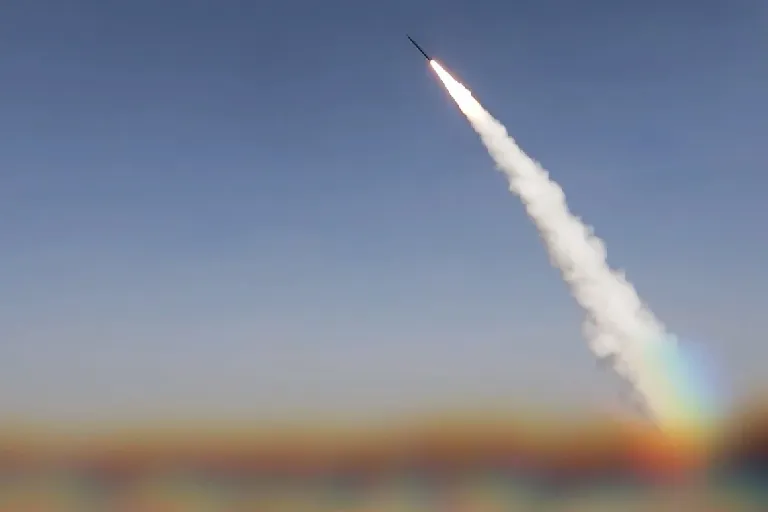
The strike, described as the deadliest attack on Saudi soil in more than a decade, occurred amid escalating hostilities between the kingdom and the Iran-backed group. The coalition blamed the Houthis for the attack, labelling it a “full-fledged war crime”. A diplomatic source attributed the strike to a missile.
The incident followed an unprecedented wave of Houthi attacks on Saudi Arabia after a truce in the group’s protracted conflict with Yemen’s Riyadh-backed government collapsed in July.
The growing violence has heightened fears of a broader regional conflict, particularly after US President Donald Trump indicated that Washington could participate in military operations against the Houthis.
Witness recounts airport attack
A passenger who spoke to the Agence France-Presse (AFP) news agency said they witnessed the strike at the airport’s domestic terminal.
“I was on gate 403,” the witness said. “I saw 401 hit, I saw injured in front of my eyes. Everyone was running.”
According to Saudi Arabia’s civil aviation authority, the fatalities included four Saudi citizens, two Bangladeshis, one American, one Egyptian, one Jordanian, one Syrian, one Palestinian and one Sudanese national.
The authority disclosed that 309 people were injured, some of whom sustained serious injuries.
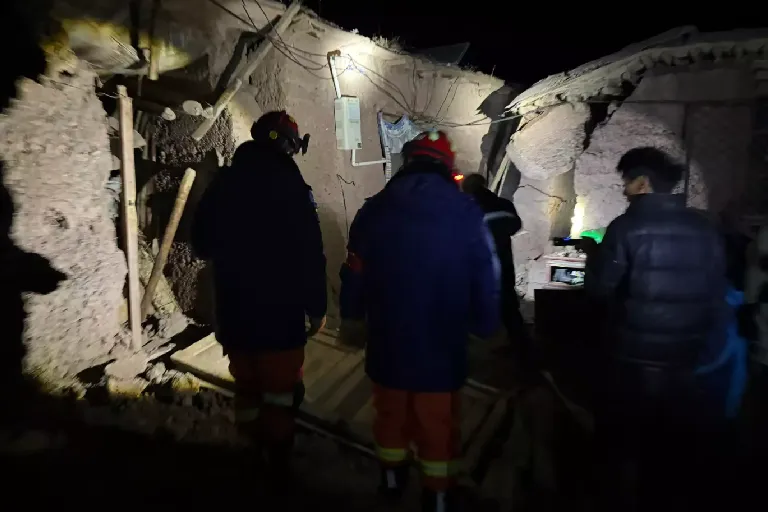
Airport operations were suspended following the attack, while officials began assessing the extent of the damage.
A medical source told AFP that health authorities had activated an unusual mass mobilisation of doctors to respond to what was described as a “serious emergency situation”.
Two doctors also informed AFP that several pilgrims travelling to Mecca were among those injured.
Meanwhile, schools across Riyadh moved to remote learning for the second time in a month. Parents received emails on Sunday, seen by AFP, indicating that the education ministry had directed that “all schools in Riyadh will switch to distance learning for the entire week”.
Coalition condemns attack as ‘war crime’
Major General Turki al-Malki, spokesperson for the Saudi-led coalition, condemned the attack in a statement posted on X.
“The cowardly terrorist attack by the Terrorist Houthi Militia… which resulted in deaths and injuries among civilian passengers and airport staff, constitutes a full-fledged war crime,” he said.
Earlier, the coalition announced that it had intercepted missiles aimed at Saudi Arabia and destroyed the platforms used to launch them.
The Houthis claimed responsibility for a series of attacks targeting the airport on Thursday, which reportedly killed three people and damaged an aircraft. However, the group had not immediately claimed responsibility for the latest strikes on Saturday.
The Saturday attack was the deadliest on Saudi territory since May 2015, when a suicide bombing by the Islamic State (IS) group killed 21 worshippers at a Shia mosque in Qatif governorate in the country’s east.
Escalating conflict raises fears of wider war
Yemen’s civil war intensified again in July following the collapse of a four-year United Nations-brokered truce. The renewed fighting came amid a broader Middle East conflict that has destabilised the region and disrupted energy supplies and markets.
Saudi Arabia has led an international coalition providing military support to Yemen’s government since 2015. The kingdom is now becoming increasingly involved in the conflict in its impoverished neighbour.
On Saturday, Trump was asked whether he had reconsidered his position on joining Saudi military operations against the Houthis.
“We may,” he responded.
The US president also said he planned to speak with Saudi Crown Prince Mohammed bin Salman, describing the events in the kingdom as “not acceptable”.
US media reports have previously indicated that Saudi Arabia’s requests for American military assistance against the Houthis had been turned down.
Foreign missions issue safety warnings
In response to the attack, the embassies of the United States, Canada, Germany and Spain in Saudi Arabia advised their citizens to stay away from the airport.
A senior Western diplomat told AFP that several diplomatic missions were prohibiting their personnel from using the facility “over the next week”.
Pakistan’s Prime Minister, Shehbaz Sharif, also condemned the incident as a “heinous attack” and reiterated Islamabad’s commitment to Saudi Arabia’s security under the two countries’ defence agreement.
The attack occurred just before Saudi Arabia’s major convention and entertainment season, scheduled to begin this month. Riyadh typically hosts numerous high-profile events during the period, including its flagship investment conference, which attracts international leaders and prominent business figures.
Fighting intensifies in Yemen
Meanwhile, military sources told AFP that Saudi-backed government forces in Yemen were advancing against Houthi fighters in areas near the Bab al-Mandab Strait that the group captured last month.
The Yemeni government announced a counter-offensive last week, with the aim of recovering all territories under Houthi control.
The Houthis confirmed that government forces had launched attacks in the Bab al-Mandab area, a strategically important passage for oil and cargo shipments through the Red Sea. However, they claimed to have repelled the offensive.
The claims made by both sides could not be independently verified, as the situation on the ground remained fluid and journalists faced difficulties accessing the affected areas.