
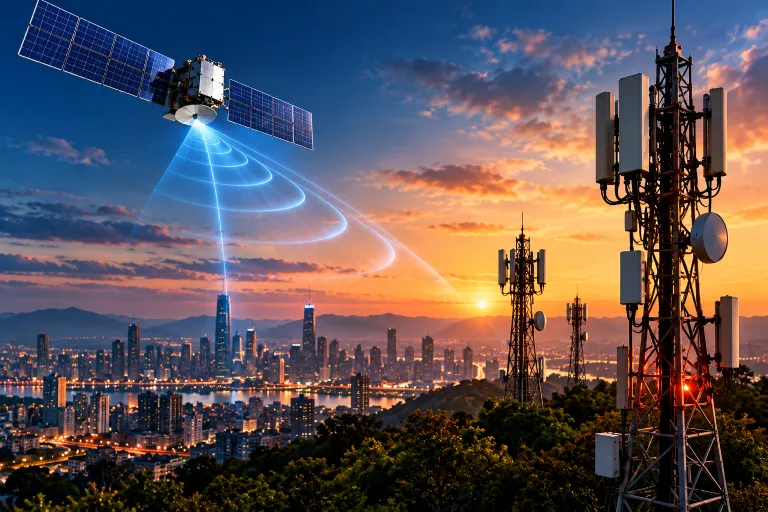
The Starlink mobile network is expanding as SpaceX moves into the mobile market. The company wants to challenge established telecom operators. However, building a competitive network will not be easy.
SpaceX needs more than satellites and spectrum. It must also address infrastructure costs, network capacity and reliable coverage. These challenges could determine how quickly Starlink Mobile grows.
Why the Starlink mobile network needs spectrum
Spectrum allows wireless networks to transmit calls and data. SpaceX’s reported $8 billion agreement to acquire spectrum licences from Grain Management could support its mobile ambitions. The deal covers licences in the 800 MHz frequency band.
However, the agreement is not the same as a completed acquisition. Regulatory approval and other closing conditions still matter.
Spectrum is also only one part of a mobile network. Operators need equipment, sufficient capacity and reliable connections. Therefore, acquiring spectrum does not automatically make SpaceX a direct rival to established telecom companies.
Why traditional mobile networks still matter
Satellite connectivity can help people in remote areas. It can also extend coverage where cellular networks are unavailable.
However, satellites face technical challenges. Signals can weaken inside buildings, while busy cities require large amounts of network capacity. These factors can make reliable service more difficult.
Traditional mobile networks use cellular towers and other ground equipment to serve local users. These systems are particularly important in densely populated areas.
As a result, satellite connectivity is more likely to complement existing networks in the near term than replace them entirely.
The cost of building a rival network
Building a competitive mobile network requires substantial investment. SpaceX would need more than spectrum licences to expand its services.
The company may also need additional ground infrastructure, network equipment and customer support. Marketing and customer acquisition would add further costs.
According to Reuters, research firm TD Cowen estimated that building a competing network could cost more than $80 billion. This is an analyst estimate, not a confirmed SpaceX spending commitment.
Established operators already have large customer bases and extensive infrastructure. Therefore, SpaceX must offer a compelling service to attract subscribers.
Can Starlink compete with telecom giants?
SpaceX could compete by offering connectivity in places where conventional networks struggle. Satellite services may also help customers stay connected in remote locations.
However, coverage alone may not be enough. Consumers also consider speed, reliability, device compatibility and price.
Partnerships with existing mobile operators could provide another route into the market. Such agreements would depend on commercial terms and network access.
For established operators, satellite services could create new competition. At the same time, they could provide opportunities to extend their own coverage through partnerships.
What this means for consumers
Starlink Mobile could expand connectivity options as its network develops. Customers in underserved areas may benefit from additional ways to connect.
However, the impact will depend on the service’s availability, performance and cost. It is too early to assume that satellite connectivity will replace conventional mobile networks.
SpaceX’s spectrum agreement represents a step towards its mobile ambitions. The bigger challenge is turning that opportunity into a reliable and affordable service.
For now, the future of mobile connectivity may depend on how effectively satellites and terrestrial networks work together.
In India, the satellite broadband race is also intensifying, with Reliance Jio exploring its own network. Read more about Jio’s satellite broadband plans and its concerns over Starlink competition.