Researchers at the Indian Institute of Science (IISc), Bengaluru, have identified an antibiotic combination that could help overcome TB drug resistance. The researchers combined isoniazid, a frontline tuberculosis medicine, with another antibiotic called vancomycin.
The combination reversed isoniazid resistance in laboratory tests involving drug-resistant tuberculosis samples. It also reduced bacterial levels in mice infected with multidrug-resistant TB.
The findings offer a potential new approach to tackling TB drug resistance, a major challenge in treating tuberculosis worldwide. However, the treatment has not yet been tested in human clinical trials.
IISc researchers combine two antibiotics against resistant TB
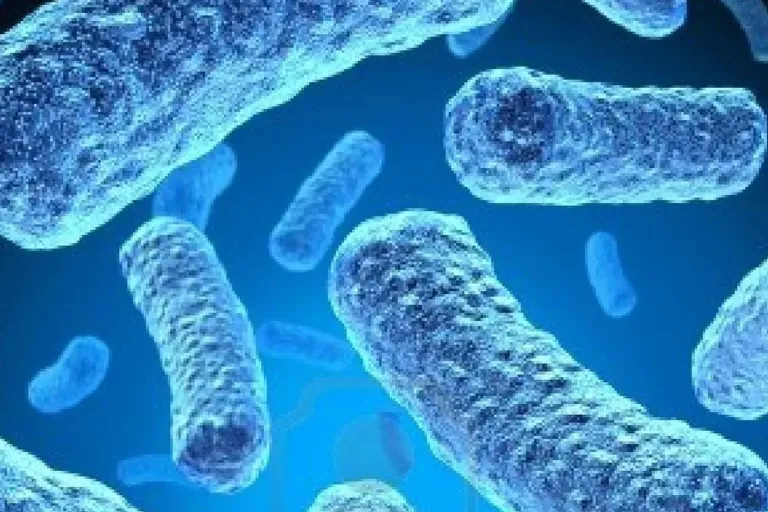
The research team from IISc’s Department of Biochemistry tested the combination of isoniazid and vancomycin against clinical isolates of Mycobacterium tuberculosis.
These bacterial samples came from patients with drug-resistant TB. The researchers worked with the National Tuberculosis Institute in Bengaluru to obtain and study the samples.
Isoniazid is a frontline TB medicine. However, certain genetic mutations allow tuberculosis bacteria to resist its effects.
Vancomycin, meanwhile, normally struggles to penetrate the protective cell wall of the TB bacterium.
The researchers found that combining the two antibiotics affected the bacterial cell wall. This allowed vancomycin to enter the bacteria and improve the treatment’s effectiveness.
Antibiotic combination reduces bacterial growth by over 90%
The laboratory results showed a substantial reduction in bacterial growth across the tested samples.
Most of the clinical isolates showed more than 90% lower bacterial growth under the combined treatment. This included samples resistant to isoniazid and those associated with multidrug-resistant TB.
The researchers also compared the combination against each antibiotic individually.
Neither drug alone produced a significant reduction in bacterial levels in the mouse experiments. However, the combination delivered a much stronger response.
Mouse study shows tenfold reduction in TB bacteria
The team tested the combination in mice infected with multidrug-resistant Mycobacterium tuberculosis.
After 10 days of treatment, the combination reduced bacterial levels by approximately tenfold in both the lungs and spleen.
The researchers also observed fewer lung granulomas in treated mice. Granulomas are inflammatory structures that form as the body attempts to contain TB infection.
These findings suggest that combining isoniazid and vancomycin could help address some mechanisms behind TB drug resistance.
Human clinical trials still needed
Despite the encouraging findings, the antibiotic combination is not ready for use in patients.
The researchers are working to advance the treatment strategy towards clinical trials. Further studies must establish its safety and effectiveness in people with drug-resistant tuberculosis.
The research was led by Sukriti Pal, a PhD student, and Nagasuma Chandra, Professor at IISc’s Department of Biochemistry. Amit Singh and other researchers also contributed to the study.
The findings were published in the scientific journal Microbiology Spectrum under the title “Vancomycin rescues sensitivity to isoniazid in clinical isolates of drug-resistant Mycobacterium tuberculosis.”
The study could provide a new direction for future research into drug-resistant TB, although its potential benefits for patients will depend on further clinical testing.